

About Us
Meet the team and learn about our mission.
Our mission is to achieve transformational outcomes in health, education, and beyond – by growing the field of improvement networks and spreading the methods that mobilize collective expertise, experience, and action.
Our Mission
Improvement networks: Changing what’s possible.
We're building a future where improvement networks create effective, equitable, and sustainable systems that continuously learn and improve — connecting people and organizations to learn faster, act on what works, and achieve outcomes no single organization could reach alone.
Our Vision
For decades, leaders across healthcare, education, and community systems have known that meaningful improvement requires collaboration across institutions, disciplines, and geographies. Learning and improvement networks have proven this—demonstrating dramatic gains in health outcomes, safety, learning, and equity when people share data, solutions, and responsibility for results.
Yet building and sustaining these networks has remained far harder than it should be. Too often, success depends on heroic individuals. Too many networks reinvent the same tools, agreements, and infrastructure from scratch. Too much potential remains unrealized because the field lacks shared platforms, training, and connective tissue.
Spark was created to change that.
We illuminate what strong networks look like and how they succeed. We help communities organize themselves effectively. And we help strengthen the ecosystem that allows many networks—not just a few—to thrive.
Why Spark Exists
Spark Networked Improvement was launched in 2025 by a group of physicians, educators, social scientists, researchers, and improvement advisors with deep experience building and leading learning and improvement networks. Having seen firsthand what networks can achieve—and the obstacles that slow their spread—the Spark founders set out to accelerate the development, effectiveness, and sustainability of networks across healthcare, education, and other social sectors.
Meet the Team
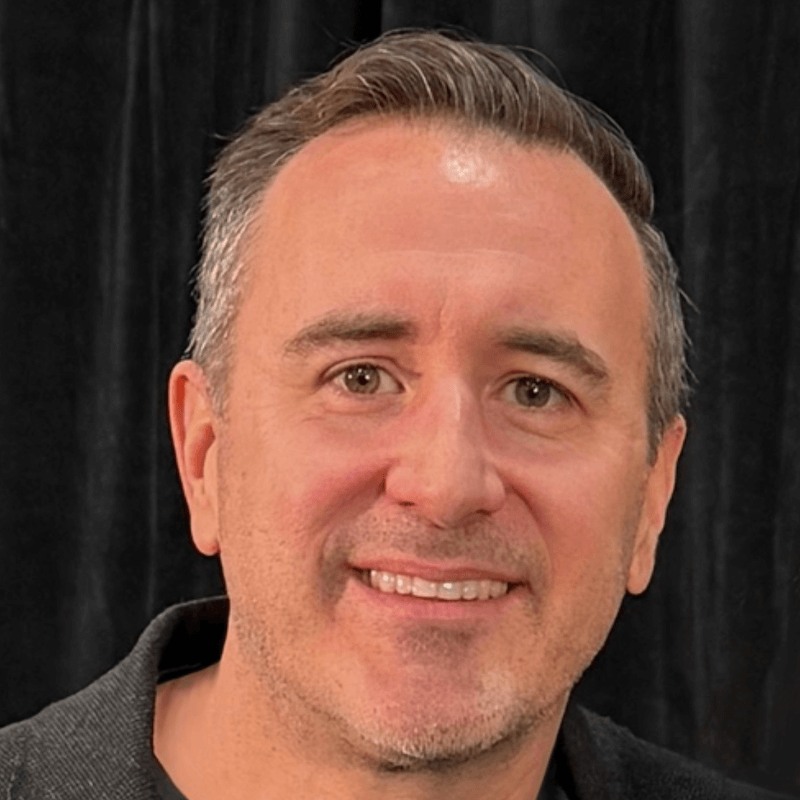
-
Brandon Bennett is an advisor, teacher and author who helps organizations in health care, education and social welfare improve outcomes for the communities and individuals they serve. Brandon teaches advanced improvement methods and partners on a range of global initiatives including disease-specific processes, academic outcomes for students with disabilities and country-wide improvement efforts. Brandon has a B.S. in Psychology from the University of California, Davis and an MPH from Loma Linda University School of Public Health, specializing in global health. He is the author of Journey to Improvement and Improvement Science at Your Fingertips, as well as several results based and methodological papers on the application of improvement science methods. He is a sought after speaker at quality conferences around the world.
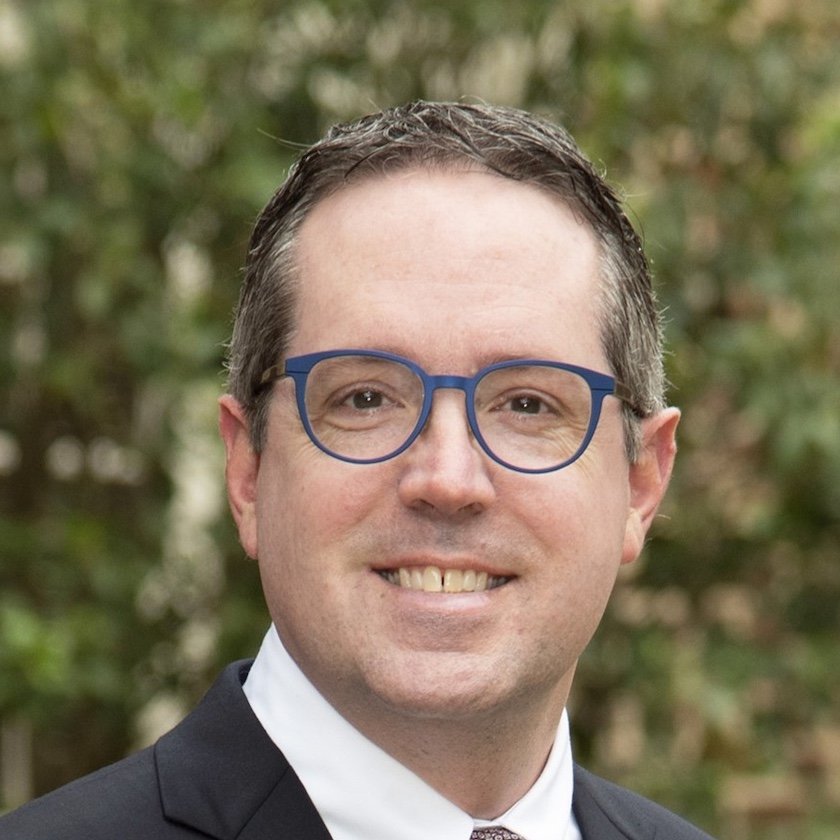
-
David Bundy is an academic pediatrician with over 20 years of experience dedicated to improving the quality of healthcare for children. Currently, he is a Tenured Professor of Pediatrics and practicing pediatric hospitalist at the Medical University of South Carolina, where he also served as Chief Quality Officer from 2020 to 2024. Dr. Bundy's work includes grant-funded research, leading to more than 75 peer-reviewed publications and presentations at numerous national meetings. He has provided leadership and expertise as an Improvement Advisor/Quality Coach for initiatives with the American Academy of Pediatrics and the Children’s Hospital Association. Dr. Bundy received his B.S. in Engineering from Duke University, his M.D. from the University of Michigan Medical School, and his M.P.H. in Maternal & Child Health from the University of California, Berkeley.
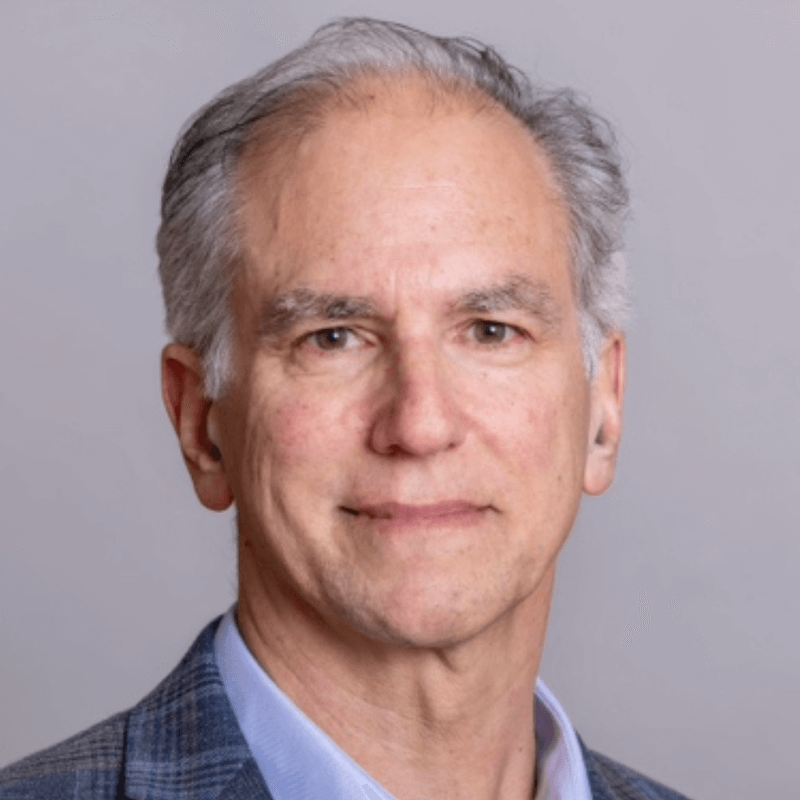
-
Robert Kahn is a Professor of Pediatrics at the University of Cincinnati College of Medicine and leads the Michael Fisher Child Health Equity Center at Cincinnati Children’s, which drives a strategic plan for excellent and equitable child health outcomes through strong family and community partnerships. Dr. Kahn's research focuses on the intersection of poverty, racism, and child health, using clinical, quality improvement, and population health lenses. He attended Princeton University and Vanderbilt University School of Medicine, completed his residency and fellowship at Children’s Hospital in Boston, and holds a Master’s in Public Health from the Harvard School of Public Health.

-
Alicia Grunow is a co-founder of the Improvement Collective and a Senior Fellow at the National Center for Improvement in Education (NCIE). Her career began as a bilingual teacher in Denver and New York City public schools before she became a Senior Managing Partner at the Carnegie Foundation. Her work is focused on educational improvement, which includes co-authoring the influential book, Learning to Improve; How America’s Schools can Get Better at Getting Better. She holds an Improvement Advisor certificate from the Institute for Healthcare Improvement. Dr. Grunow received a B.A. in Psychology from Reed College and a Master’s Degree in Economics and a Ph.D. in Education from Stanford University.
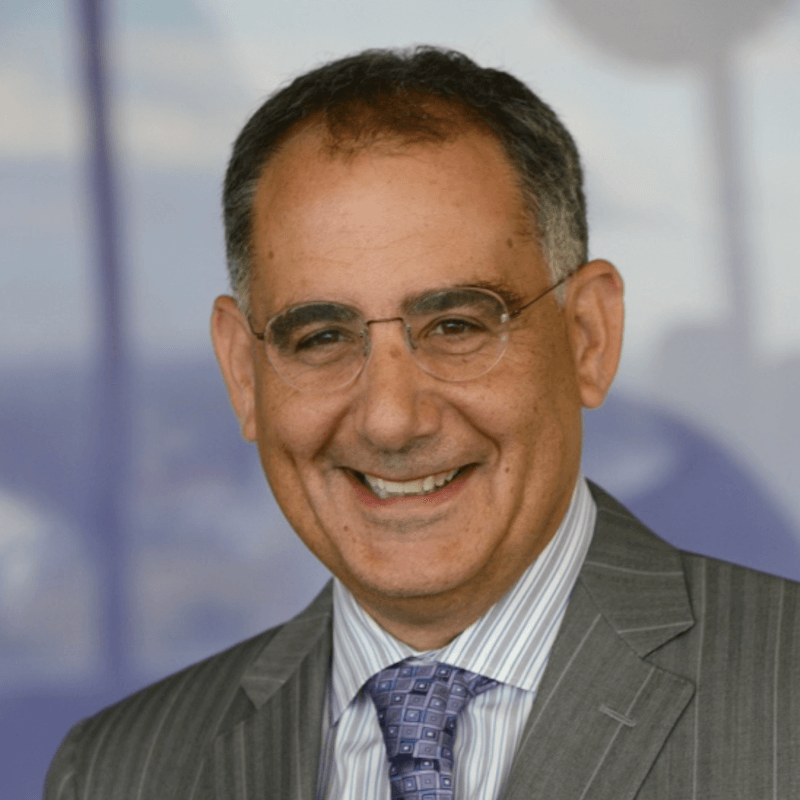
-
Daniel Hyman is a pediatrician and executive leader in hospital quality improvement and safety, with over twenty years in high-level roles including Chief Medical and Safety Officer at Children’s Hospital Colorado and Chief Safety and Quality Officer at Children’s Hospital of Philadelphia (CHOP). He is currently an Adjunct Professor of Pediatrics at the Perelman School of Medicine at Penn, where he directs a Master’s level course on Leadership of Quality and Safety in Healthcare Systems. Dr. Hyman is also a Senior Faculty member of the Institute for Healthcare Improvement, focusing on their safety improvement portfolio. He also served in steering and committee leadership roles for over a decade for the Children’s Hospitals Solutions for Patient Safety network. Dr. Hyman received his M.D. from the Albert Einstein College of Medicine and a Master’s Degree in Medical Management (MMM) from Tulane University.
-
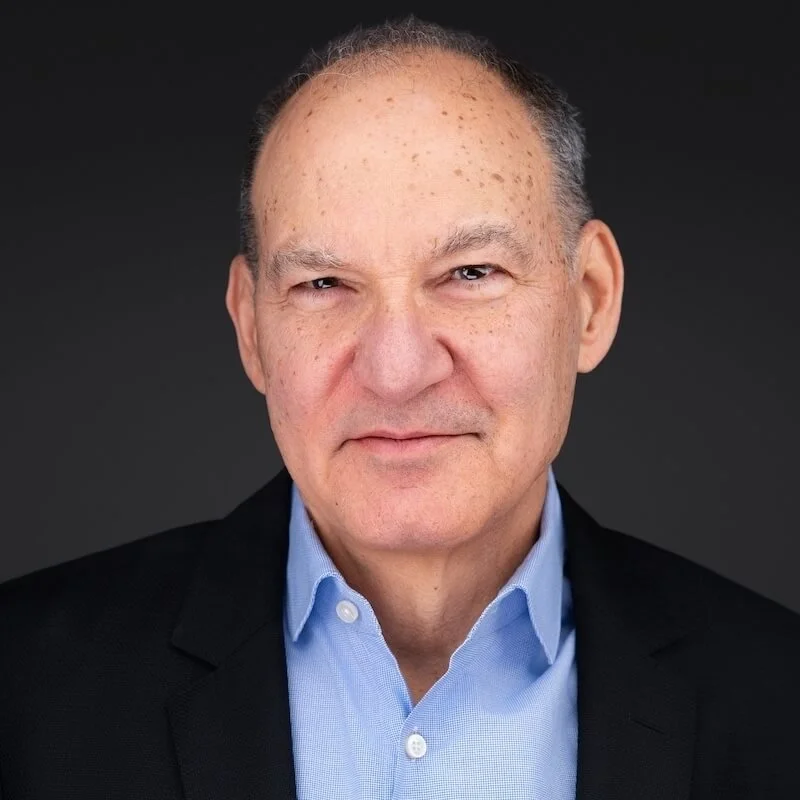
Peter Margolis is a pioneer in designing and advancing networked Learning Health Systems that have improved the health outcomes at scale. For the past 30 years, he has developed innovative approaches that improve the health of large populations and accelerate research. He is an Adjunct Professor at Stanford University and previously served as the Cincinnati Children’s Research Foundation Professor of Improvement Science and Co-Director of the James M. Anderson Center for Health System Excellence. He is the Scientific Director of the ImproveCareNow Network, which was awarded the Drucker Prize, and of the Bipolar Action Network. Dr. Margolis received his A.B. from Dartmouth College, M.D. from New York University, and Ph.D. in epidemiology from the University of North Carolina. He is an elected member of the National Academy of Medicine.

-
Andrew A. Nierenberg is the Director of the Dauten Family Center for Bipolar Treatment Innovation at Massachusetts General Hospital (MGH) and a Professor of Psychiatry at Harvard Medical School. A leader in clinical trials for mood disorders, he has published over 625 papers and been recognized with multiple honors, including the Mogens Schou Award and the Colvin Prize. He leads the Bipolar Action Network, a Learning Health Network focused on breaking down barriers between clinical, research, and quality improvement activities to achieve better outcomes. Dr. Nierenberg is the editor-in-chief of Psychiatric Annals, has an active clinical practice, and teaches residents. He graduated from the Albert Einstein College of Medicine and studied clinical epidemiology at Yale University as a Robert Wood Johnson Clinical Scholar.

-
Sandra Park is a co-founder of the Improvement Collective and a Senior Fellow at the National Center for Improvement in Education (NCIE). At the Foundation, she previously served as the director of external offerings and partnerships, as well as the director of the Building a Teaching Effectiveness Network (BTEN). Her career in education began as an elementary school teacher in Oregon, Maryland, and Washington, D.C., and she also directed programs at First Graduate in San Francisco. Her work focuses on educational policy and improvement science. She holds an Improvement Advisor certificate from the Institute for Healthcare Improvement. Dr. Park received a B.A. in Sociology from Georgetown University, an M.A.T. from Louis & Clark College, an Ed.M. from the Harvard Graduate School of Education, and a Ph.D. in Education Policy from UC-Berkeley.

-
Michael Seid is a behavioral and social scientist who collaborates with Spark through his current position as Professor of Pediatrics at the University of Cincinnati School of Medicine, where he directs Health Quality and Outcomes Research in the Division of Pulmonary Medicine at Cincinnati Children’s Hospital Medical Center. His career has focused on developing and implementing approaches to improve healthcare processes and outcomes. Over the last two decades, he and his colleagues developed Learning Health Networks, a collaborative approach to healthcare improvement, making him one of the world’s leading experts. He has published over 160 research articles, serves as an Associate Editor of the Learning Health Systems journal, and has 30 years of continuous grant funding, having been PI or co-PI on more than 30 grants.

-
Lloyd Provost is a statistician and a foundational leader in improvement science whose work has shaped how organizations around the world learn and achieve better outcomes. As co-founder of Associates in Process Improvement (API), he has dedicated his career to helping diverse organizations—including those in healthcare, manufacturing, and education—apply the science of improvement. Through API’s partnership with the Institute for Healthcare Improvement (IHI), he serves as a Senior Fellow and Improvement Advisor, where he advises on planning, measurement, and the design of studies. He is a pioneer in creating improvement collaboratives and networks, bringing statistical thinking and systems methods to real-world challenges. Mr. Provost co-authored several foundational texts, including The Improvement Guide and The Health Care Data Guide. In recognition of his contributions, he received the Deming Medal from the American Society for Quality in 2003.