
Resources
Explore & learn more about Networked Improvement.
THE PROBLEM:Lack of Connection
The hardest problems in health, education, and social welfare are not puzzles with right answers. They are tangled systems that produce the outcomes we see: late-onset sepsis in a neonatal unit, chronic absenteeism in a middle school, Crohn's disease that flares when a family moves and switches doctors, opioid deaths that rise during pregnancy and the first year after birth. A single clinic, school, or agency may improve its local results. What usually does not happen is the next step: the learning traveling somewhere else, changing practice at another site, and compounding over time.
Goal setting abounds. Real change does not. The field has spent decades asking why. One answer is now well established. The missing layer is not more evidence, more mandates, or more standalone pilots. It is the connective tissue that lets a set of sites function as a single learning system.
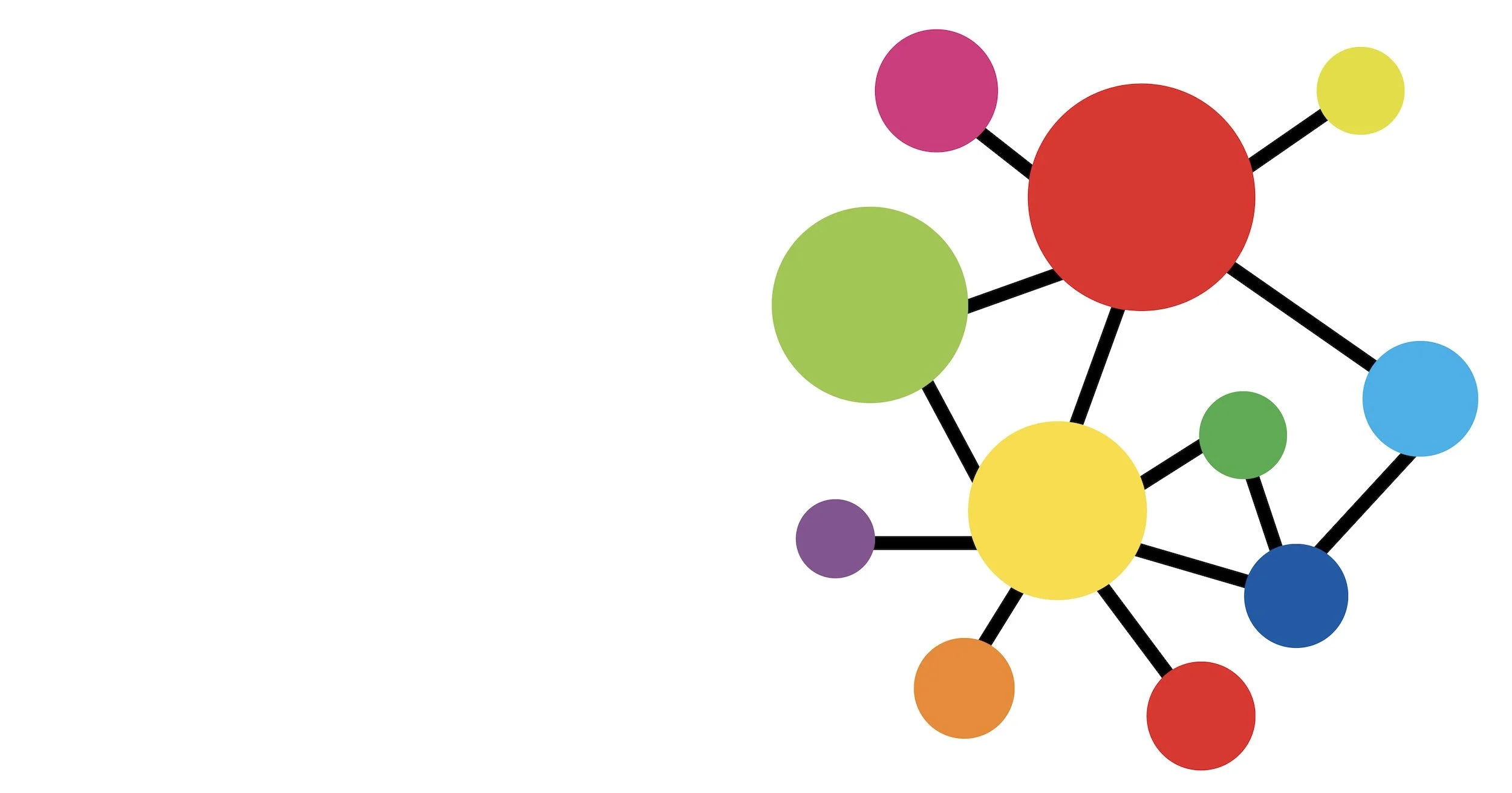
That connective tissue is a network.
THE PROBLEM:Lack of Connection
The hardest problems in health, education, and social welfare are not puzzles with right answers. They are tangled systems that produce the outcomes we see: late-onset sepsis in a neonatal unit, chronic absenteeism in a middle school, Crohn's disease that flares when a family moves and switches doctors, opioid deaths that rise during pregnancy and the first year after birth. A single clinic, school, or agency may improve its local results. What usually does not happen is the next step: the learning traveling somewhere else, changing practice at another site, and compounding over time.
Goal setting abounds. Real change does not. The field has spent decades asking why. One answer is now well established. The missing layer is not more evidence, more mandates, or more standalone pilots. It is the connective tissue that lets a set of sites function as a single learning system.
That connective tissue is a network.
THE PROBLEM:Lack of Connection
The hardest problems in health, education, and social welfare are not puzzles with right answers. They are tangled systems that produce the outcomes we see: late-onset sepsis in a neonatal unit, chronic absenteeism in a middle school, Crohn's disease that flares when a family moves and switches doctors, opioid deaths that rise during pregnancy and the first year after birth. A single clinic, school, or agency may improve its local results. What usually does not happen is the next step: the learning traveling somewhere else, changing practice at another site, and compounding over time.
Goal setting abounds. Real change does not. The field has spent decades asking why. One answer is now well established. The missing layer is not more evidence, more mandates, or more standalone pilots. It is the connective tissue that lets a set of sites function as a single learning system.
That connective tissue is a network.
THE PROBLEM:
Lack of Connection
The hardest problems in health, education, and social welfare are not puzzles with right answers. They are tangled systems that produce the outcomes we see: late-onset sepsis in a neonatal unit, chronic absenteeism in a middle school, Crohn's disease that flares when a family moves and switches doctors, opioid deaths that rise during pregnancy and the first year after birth. A single clinic, school, or agency may improve its local results. What usually does not happen is the next step: the learning traveling somewhere else, changing practice at another site, and compounding over time.
Goal setting abounds. Real change does not. The field has spent decades asking why. One answer is now well established. The missing layer is not more evidence, more mandates, or more standalone pilots. It is the connective tissue that lets a set of sites function as a single learning system.
That connective tissue is a network.
THE PROBLEM:
Lack of Connection
The hardest problems in health, education, and social welfare are not puzzles with right answers. They are tangled systems that produce the outcomes we see: late-onset sepsis in a neonatal unit, chronic absenteeism in a middle school, Crohn's disease that flares when a family moves and switches doctors, opioid deaths that rise during pregnancy and the first year after birth. A single clinic, school, or agency may improve its local results. What usually does not happen is the next step: the learning traveling somewhere else, changing practice at another site, and compounding over time.
Goal setting abounds. Real change does not. The field has spent decades asking why. One answer is now well established. The missing layer is not more evidence, more mandates, or more standalone pilots. It is the connective tissue that lets a set of sites function as a single learning system.
That connective tissue is a network.